Harlesden High Street rubbish removal guide NW10
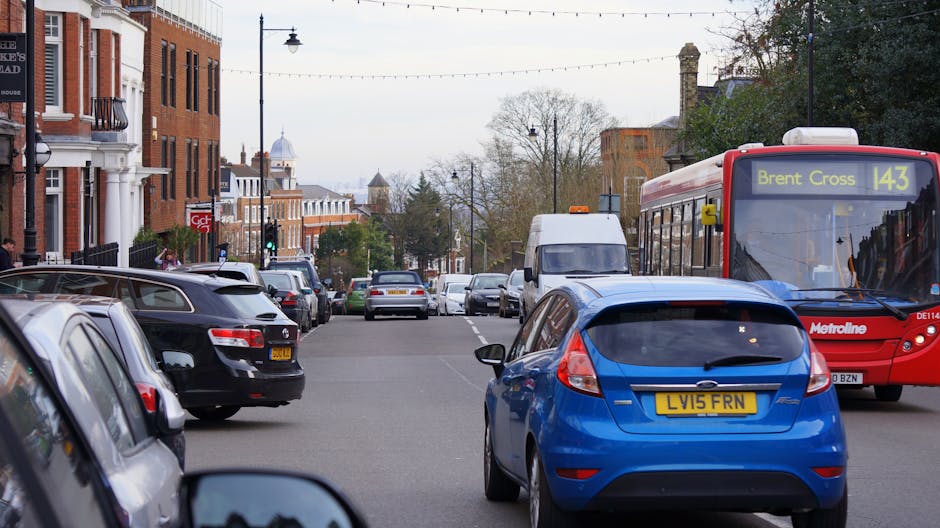
If you are dealing with a growing pile of waste on or around Harlesden High Street, you probably want two things: a quick solution and one that does not create more hassle than the rubbish itself. This Harlesden High Street rubbish removal guide NW10 is designed for exactly that. Whether you are clearing a flat after a move, handling builders' debris, or just trying to get on top of an awkward household tidy-up, the right disposal method can save time, stress, and a few false starts. Truth be told, rubbish removal looks simple until you are standing there with a load of mixed waste, a tight schedule, and no space left outside the front door.
Below, you will find a practical local guide to the main options, how rubbish removal works, what to avoid, and when a faster or more flexible service makes better sense. You will also find a checklist, a real-world example, and answers to the questions people tend to ask once the mess is already staring back at them.
Why Harlesden High Street rubbish removal guide NW10 Matters
Harlesden High Street is a busy stretch, and that matters more than people first expect. Narrower access, parked cars, shared entrances, trade traffic, and a constant flow of pedestrians can all make waste clearance more awkward than a simple driveway job. If rubbish is left too long, it can block access, create odours, attract pests, or just make the place feel far more chaotic than it needs to be.
Local rubbish removal also matters because not every job is the same. A few black bags after a declutter are very different from broken fitted furniture, renovation rubble, garden cuttings, or office clearance waste. And if you are on a tight timetable, the wrong method can mean repeat trips, extra lifting, or waiting around when you really need the space back.
In our experience, the biggest win comes from choosing the method that matches the waste type and the site conditions. That sounds obvious, but it is exactly where many people slip up. A good plan keeps the job tidy from start to finish, and yes, it can be surprisingly satisfying when the last bag disappears and you can actually see the floor again.
For many local households and businesses, a properly planned clearance also supports better recycling. If waste is sorted sensibly, more of it can be moved into the right stream rather than dumped together and dealt with later. If sustainability matters to you, it is worth looking at the company's recycling and sustainability approach before booking.
How Harlesden High Street rubbish removal guide NW10 Works
Rubbish removal is usually more straightforward than a skip arrangement when access is limited or you want the waste taken away without waiting for a container to sit outside. In simple terms, a collection team arrives, assesses the waste, loads it, and removes it for sorting, reuse, or disposal. The process is neat, quick, and often better suited to streets where kerb space is at a premium.
There are a few common ways it can work:
- Man and van collection for mixed household waste, furniture, and smaller clearances.
- Wait and load if there is nowhere sensible to keep a skip, or if you want waste gone fast.
- Grab hire for bulkier or heavier waste that can be loaded efficiently from ground level.
- Skip hire if you want to fill at your own pace and the site access is suitable.
That choice matters. If you are dealing with a one-off bulky load, a service such as rubbish removal can be far more practical than hiring a skip you have to manage yourself. On the other hand, if you are doing a larger renovation, a proper skip or specialist building waste solution may be the calmer option.
Harlesden High Street itself is the kind of place where convenience really counts. A collection that is planned around access, loading time, and waste type is often worth more than shaving a few pounds off the quote. Let's face it, nobody wants a lorry blocking the flow for longer than necessary.
Key Benefits and Practical Advantages
The main benefit of organised rubbish removal is speed. You can get a space cleared in one visit, which is often ideal when you are moving, refurbishing, or dealing with a last-minute mess. But there are other advantages too.
- Less manual lifting when the service handles the loading.
- Better for tight streets where skips may be awkward or require extra planning.
- Flexible for mixed waste where the load includes a few different material types.
- Often cleaner visually because you are not leaving a container outside for days.
- Useful for one-off jobs such as post-tenancy clearances, loft clear-outs, or end-of-project debris.
There is also a practical peace-of-mind factor. A lot of people underestimate how draining waste piles can be. Every extra bag in the hallway becomes one more thing you keep walking around. Once it is gone, the whole place tends to feel lighter. Small victory, but a real one.
Where rubbish is bulky or awkward, the right service can also reduce the risk of damage to walls, lifts, stairs, or communal areas. That is especially useful in shared buildings and older properties where access can be a bit tight and the stairwell is not exactly built for carrying a wardrobe down by hand.
If you are comparing options, it can help to review the provider's skip sizes and prices alongside their collection services. Sometimes the best choice is not the cheapest-looking one on paper, but the one that fits your access and timing properly.
Who This Is For and When It Makes Sense
This kind of guide is relevant to a much wider group than people often think. It is not just for builders or landlords. In reality, many local clearances start from ordinary life admin and become a bigger task than expected.
- Homeowners clearing clutter, broken furniture, or post-renovation waste.
- Tenants who need to leave a property tidy and avoid last-minute panic.
- Landlords and agents dealing with end-of-tenancy waste or abandoned items.
- Builders and tradespeople who need fast removal of rubble, timber, packaging, or mixed site waste.
- Local businesses clearing office furniture, stock, archive material, or refurbishment debris.
- Residents with limited access who cannot easily place a skip outside their property.
It also makes sense when you need a quicker turnaround than a standard skip can offer. If you are on a deadline, a same-day option can be a lifesaver, especially where the rubbish is already piled up and you simply want it gone. In that case, see whether same-day skip hire or a direct clearance service better suits the job.
Not every scenario needs a heavy-duty solution. A few bags and an old mattress? That is a very different decision from a strip-out or demolition job. The trick is matching the service to the actual mess, not the mess in your head after a long week.
Step-by-Step Guidance
If you want a smooth clearance on or near Harlesden High Street, this is the practical way to approach it.
- Sort the waste into rough categories. Keep general rubbish, bulky items, garden waste, and construction debris separate if possible. That makes estimating easier and avoids awkward surprises.
- Check access. Look at the width of the entrance, staircase, loading point, and parking options. If a large vehicle cannot get close, a waste collection method with flexible loading may be better.
- Identify anything restricted. Items such as fridges, paint, chemicals, sharp objects, or confidential paperwork need special handling. Do not just mix them in with the rest.
- Choose the right service. For loose mixed waste, a collection service may be ideal. For building projects, a skip or grab option might make more sense. For office or sensitive material, consider specialist handling such as confidential shredding.
- Book a time that works around traffic and neighbours. Early morning or mid-day may be easier than busy commuter periods, depending on the site.
- Prepare the waste for faster loading. Break down cardboard, remove loose items from bulky furniture where safe, and keep the load as accessible as possible.
- Confirm the plan before the team arrives. A quick check on what is being removed, what cannot go, and where the waste is being loaded from can prevent awkward delays.
- Ask about disposal route and recycling. It is fair to want to know how the waste will be handled after collection.
A quick example: if you are clearing a flat above a shop, you may not have space for a skip and you probably do not want bags sitting around outside all day. In that case, a load-and-go arrangement or a man-and-van style service can be the simplest route. You keep the entrance clear, the neighbours stay happier, and the job is done before the afternoon rush.
Expert Tips for Better Results
Most clearance problems are not caused by the waste itself. They come from poor prep. A little planning goes a long way.
- Take photos before booking. A few clear images often help with more accurate guidance than a long phone explanation.
- Separate heavy material from light waste. Bricks and soil behave very differently from bagged household rubbish.
- Protect shared spaces. Use covers or cardboard where needed in stairwells or lobbies.
- Keep hazardous items out of mixed loads. That avoids delays and possible rejection of the whole collection.
- Think about timing around local activity. On a busy street, a ten-minute delay can matter more than it would in a quiet cul-de-sac.
One underrated tip: if you are unsure whether something counts as bulky household waste or construction debris, ask before the day of collection. The answer is usually much simpler than people fear, and it can save a rebooking. Nobody wants to be the person who discovers the old bathroom suite is not treated like general rubbish. Bit of a nuisance, yes, but easy to avoid.
Where domestic waste is the main issue, the provider's domestic skip hire information can also help you compare whether a skip or a direct removal is the better fit. That comparison alone can save a lot of back-and-forth.
Common Mistakes to Avoid
The biggest mistake is assuming every waste pile can be handled the same way. It cannot. Different waste types, access conditions, and timescales all change the best option.
- Mixing restricted items with ordinary rubbish. Fridges, chemicals, and certain electronics may need separate handling.
- Underestimating the volume. What looks like a few bags can become a van full once sorted.
- Blocking access with no plan. On a busy road, that can turn a simple job into an annoying one very quickly.
- Leaving booking too late. Same-day jobs are possible in some cases, but not something to rely on every time.
- Choosing only on headline price. The cheapest option can become the most expensive if it is the wrong fit.
Another classic error is forgetting about permits or placement rules when a skip is involved. If you do need a skip and it has to sit on the highway, read the permit detail carefully and check the provider's skip hire permits guidance or the related skip permits page. A small admin step now is better than an avoidable delay later.
And yes, people do sometimes wait until the last minute and then wonder why the service cannot fit around their schedule. It happens all the time. But with a little forethought, the whole thing gets much less dramatic.
Tools, Resources and Recommendations
You do not need fancy equipment to prepare for rubbish removal, but a few simple tools can make the job easier and safer.
- Heavy-duty bin bags for loose waste.
- Work gloves to avoid cuts, splinters, and grime.
- Tape, string, or straps for bundling safe, manageable items.
- Cardboard or dust sheets to protect floors and shared corridors.
- Mask or dust protection for loft clearances or dusty materials.
- Mobile photos of the waste pile so you can share an accurate view before collection.
As for service recommendations, think in terms of fit rather than labels. If you are working through a home clearance or a loft clear-out, house clearance or garage and loft clearance may be more useful than trying to force everything into a generic rubbish category. If the load includes broken appliances, the dedicated fridge and appliance removal route is often the cleaner option.
For garden cuttings and green waste, the garden waste removal page is worth a look. For office jobs, office clearance and commercial skip hire help you compare approaches without guessing.
If you prefer to talk it through, start with the company's pricing and quotes information and then move to book online when you are ready. That way you are not rushing the decision on a busy day.
Law, Compliance, Standards, or Best Practice
Rubbish removal is not just a practical job; it also comes with responsibilities. As a customer, you should always be careful about where waste ends up and how it is handled. In the UK, householders and businesses are expected to use reputable carriers and avoid fly-tipping, even if the waste is being collected from your own property. If something feels vague, ask questions. A proper operator should not mind.
Best practice usually includes the following:
- Waste is sorted correctly before or after collection.
- Restricted items are identified early so they do not contaminate the load.
- Loads are secured safely during transport.
- Commercial and sensitive waste is handled with extra care.
- Health and safety procedures are followed by anyone doing the lifting or loading.
If you are booking a larger project, it helps to check the provider's health and safety policy and insurance and safety information. You do not need to become an expert in regulations, but you do want to know the service takes sensible precautions.
For construction work, the standards are a little stricter in practice because loads can include rubble, timber, mixed inert waste, and potentially awkward materials. In those cases, a service such as construction waste disposal or builders' waste removal can be a better match than a general clearance. For larger structural jobs, demolition waste removal may also be relevant.
When in doubt, keep it simple: identify the waste, be clear about access, and use a service that gives straightforward answers. That is usually the safest path.
Options, Methods, or Comparison Table
Here is a simple comparison to help you choose the right approach for a Harlesden High Street property or business premises.
| Method | Best for | Strengths | Limitations |
|---|---|---|---|
| Rubbish removal | Mixed household waste, bulky items, small to medium clearances | Fast, flexible, no container left outside | Less suitable for ongoing filling over several days |
| Skip hire | Renovations, regular waste output, DIY jobs | Good for phased loading, simple on-site storage | Needs space and possibly a permit |
| Wait and load | Short stops, limited parking, no room for a skip | Quick turnaround, tidy street presence | Requires you to be ready to load promptly |
| Grab hire | Heavy or bulky waste, site clearance, soil and rubble | Efficient for large loose loads | Needs suitable vehicle access |
| Man and van | Furniture, mixed items, one-off clear-outs | Flexible, practical, often easier for awkward access | Not ideal for very heavy construction waste |
For a street like Harlesden High Street, the "best" method is often the one that respects access. A service that works brilliantly on a suburban driveway may be a poor fit on a busier high-street frontage. That is the part people miss when comparing prices.
If you want to explore the full range of options, the site's skip hire page is a useful place to start, alongside grab hire services and man and van.
Case Study or Real-World Example
Picture a small flat above a shop near Harlesden High Street. The tenant has moved out, the landlord needs the property turned around quickly, and the waste includes a mix of old shelving, two broken chairs, several bags of household clutter, a mirror, and a few odds and ends from the kitchen. There is no real space for a skip, and leaving waste outside overnight would not be a good look.
In a case like that, the simplest route is usually a direct collection. The team can arrive, assess the load, and remove it in one go. If the items are mixed but not hazardous, that keeps the entrance clear and avoids a drawn-out process. If there were confidential documents in the mix, those would need separating for proper handling. If there had been an old fridge in the kitchen, it would be better to arrange appliance removal separately rather than guess.
What makes the job run smoothly? A few small things:
- The landlord sends photos before the booking.
- The access route is cleared of loose obstacles.
- The waste is grouped by type where possible.
- The collection time is chosen to avoid the busiest part of the day.
Nothing glamorous. Just good preparation. And that is usually what saves time in the real world. Not magic, not luck, just fewer surprises.
Practical Checklist
Use this before you book anything. It takes a few minutes, and it can spare you a headache later.
- Have I identified the main waste types?
- Do I know whether anything is restricted or hazardous?
- Is access suitable for a van, lorry, or skip?
- Do I need a permit or alternative placement plan?
- Have I measured or roughly estimated the load size?
- Can I separate recyclable or sensitive materials first?
- Do I need same-day collection or can I plan ahead?
- Have I checked whether furniture, appliances, or confidential items need special handling?
- Do I understand the quote and what it includes?
- Have I confirmed the best time for access and loading?
If you can tick most of those off, you are already ahead of the curve. It sounds basic, but basic is often what gets the job done cleanly.
Conclusion
A good Harlesden High Street rubbish removal plan NW10 is not about making the process complicated. It is about choosing the right method for the space, the waste, and the timing. Once those three pieces line up, the whole thing becomes much easier. Whether you need a one-off household clearance, a trade waste pickup, or a more specialised service, the key is to match the job to the solution rather than forcing it into the wrong shape.
Keep access in mind, separate awkward items early, and ask clear questions before you book. That alone will prevent most of the common problems. And if you are unsure which route is best, it is usually smarter to compare your options calmly than to rush into the wrong one. A tidy street, a clear hallway, a bit of breathing space again - honestly, that changes the feel of a place more than people expect.
Get a free quote today and see how much you can save.
When you are ready, it is worth taking the next step with a provider that offers clear guidance, sensible safety standards, and the right service for the waste you actually have. Small detail, big difference.
Frequently Asked Questions
What is the best rubbish removal option for Harlesden High Street?
The best option depends on access, waste type, and how quickly you need the area cleared. For mixed household or bulky waste, direct rubbish removal is often the most practical choice. For heavier or ongoing work, skip hire or grab hire may be better.
Do I need a skip permit on Harlesden High Street?
If a skip is going on a public road or highway, a permit may be needed. Requirements can vary by location and placement, so it is sensible to check before booking. If you are unsure, look at the provider's permit guidance and plan early.
Can rubbish be collected the same day?
Sometimes, yes. Same-day collection is often possible when schedules allow and the load is ready to go. It is most reliable when you book early and give clear photos or a description of the waste.
What items cannot go in general rubbish removal?
Hazardous items, certain chemicals, and some electrical or specialist waste may need separate handling. If you have fridges, paint, or confidential paperwork, mention them before booking so they can be dealt with properly.
Is rubbish removal better than skip hire for tight access?
Often, yes. If there is limited parking, narrow access, or no safe place to leave a skip, a collection service can be much easier. It keeps the street clearer and avoids leaving waste outside for longer than necessary.
How do I know which service is right for my waste?
Start by separating the waste into rough categories: household rubbish, bulky items, garden waste, construction debris, and anything restricted. Then compare the job to the available services. If you are still unsure, a quote request with photos usually clears things up fast.
Can builders' waste be removed from a busy high street site?
Yes, but access planning matters. Builders' waste is often better handled through a more structured solution such as builders' waste removal, construction waste disposal, or grab hire, depending on the volume and the site setup.
What should I do with furniture or appliances?
Bulky furniture can often be taken in a standard clearance, but appliances may need special handling. If you have an old fridge, oven, or similar item, it is wise to use a dedicated appliance removal service.
Is there a difference between rubbish removal and house clearance?
Yes. Rubbish removal usually deals with mixed waste or bulky items, while house clearance is broader and often covers more of a property's contents. If you are clearing multiple rooms, house clearance may be the better fit.
How can I keep costs under control?
Sort waste before collection, avoid mixing in restricted items, and choose the right service for the job. The wrong option is often what makes things expensive, not the waste itself. Clear access and accurate descriptions help too.
What happens to the waste after collection?
Good operators sort waste for reuse, recycling, or disposal depending on the material. If sustainability matters to you, it is worth reviewing the provider's recycling approach before you book.
What if I am clearing a commercial property near Harlesden High Street?
Commercial sites often need a more flexible or larger-scale solution. Depending on the waste, commercial skip hire, office clearance, or grab hire may be more appropriate than a standard household collection.
How far in advance should I book?
If your job is straightforward, a day or two may be enough, but busy periods can fill quickly. For larger clearances or anything involving a permit, booking early is the safer choice. A little planning makes the whole thing feel far less frantic.